Case study · Logistics

They decided to ownthe software the business runs on.
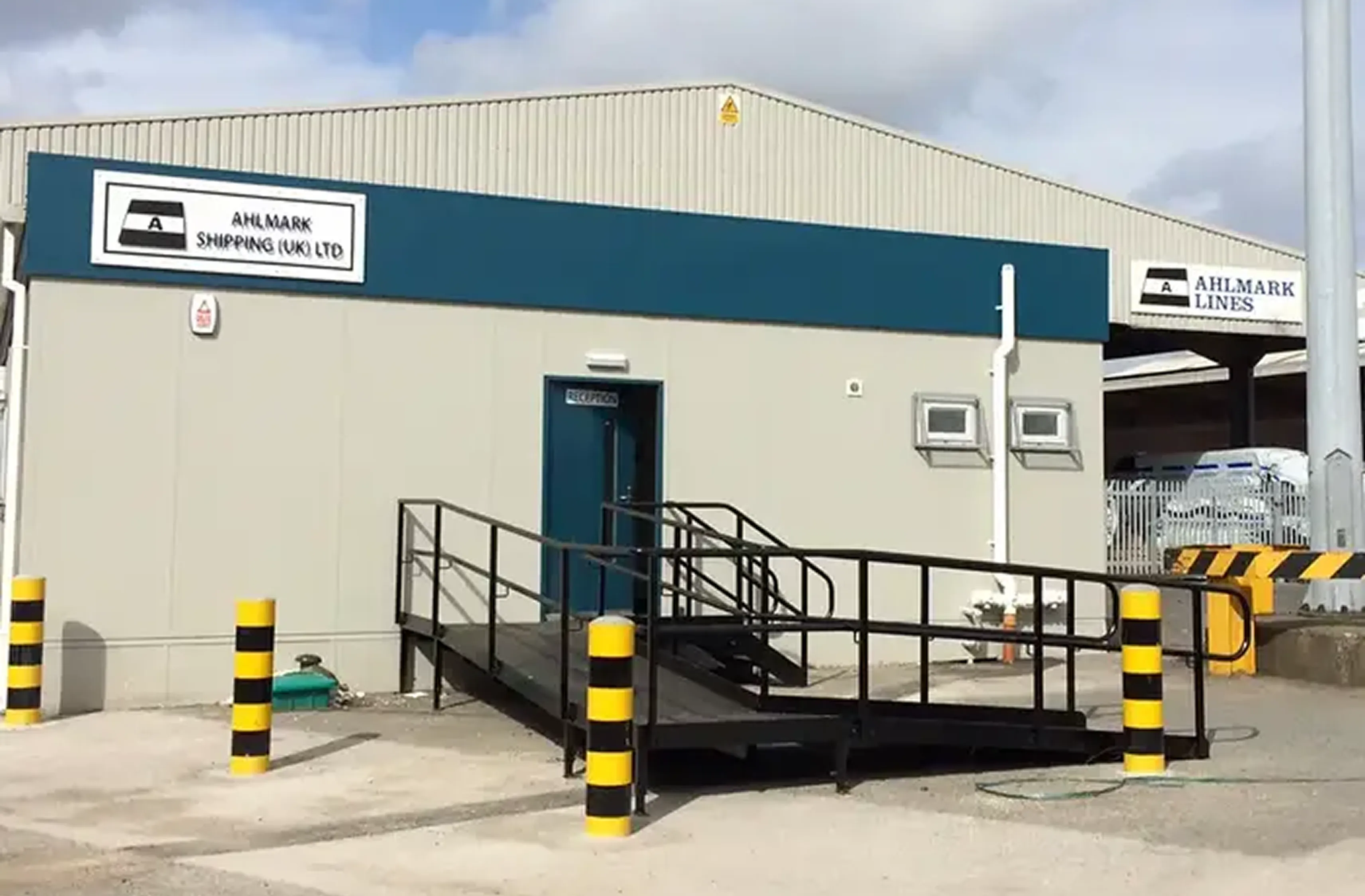
Ahlmark Shipping has been moving sawn timber around the world since 1847. The UK operation runs out of Hull, and for years the platform it depended on every day belonged to somebody else.
- Client
- Ahlmark Shipping
- Where
- Hull, East Riding of Yorkshire
- Sector
- Logistics
- Built with
- Laravel, Livewire, MySQL
The client
A shipping linewith a yard attached.
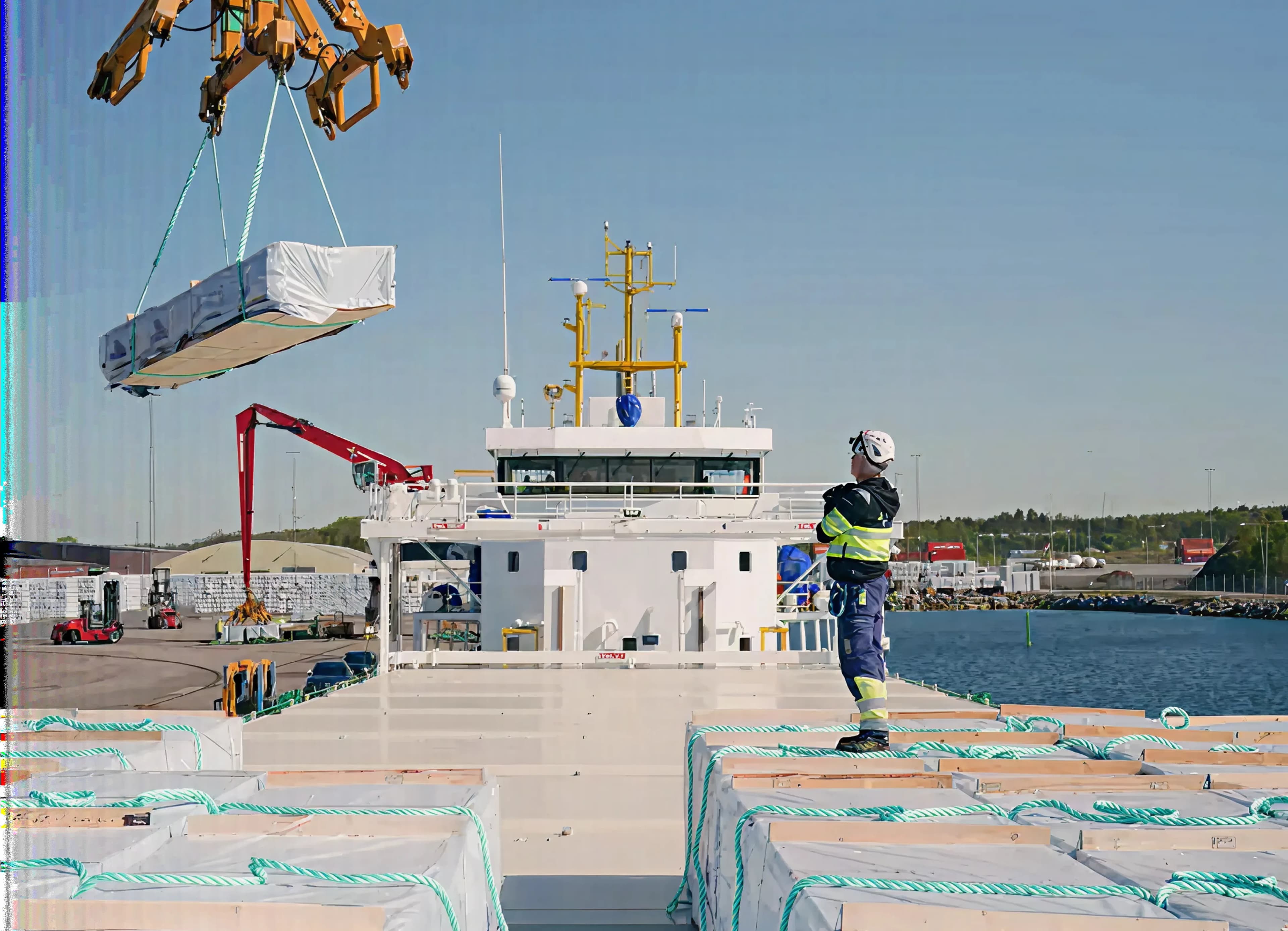
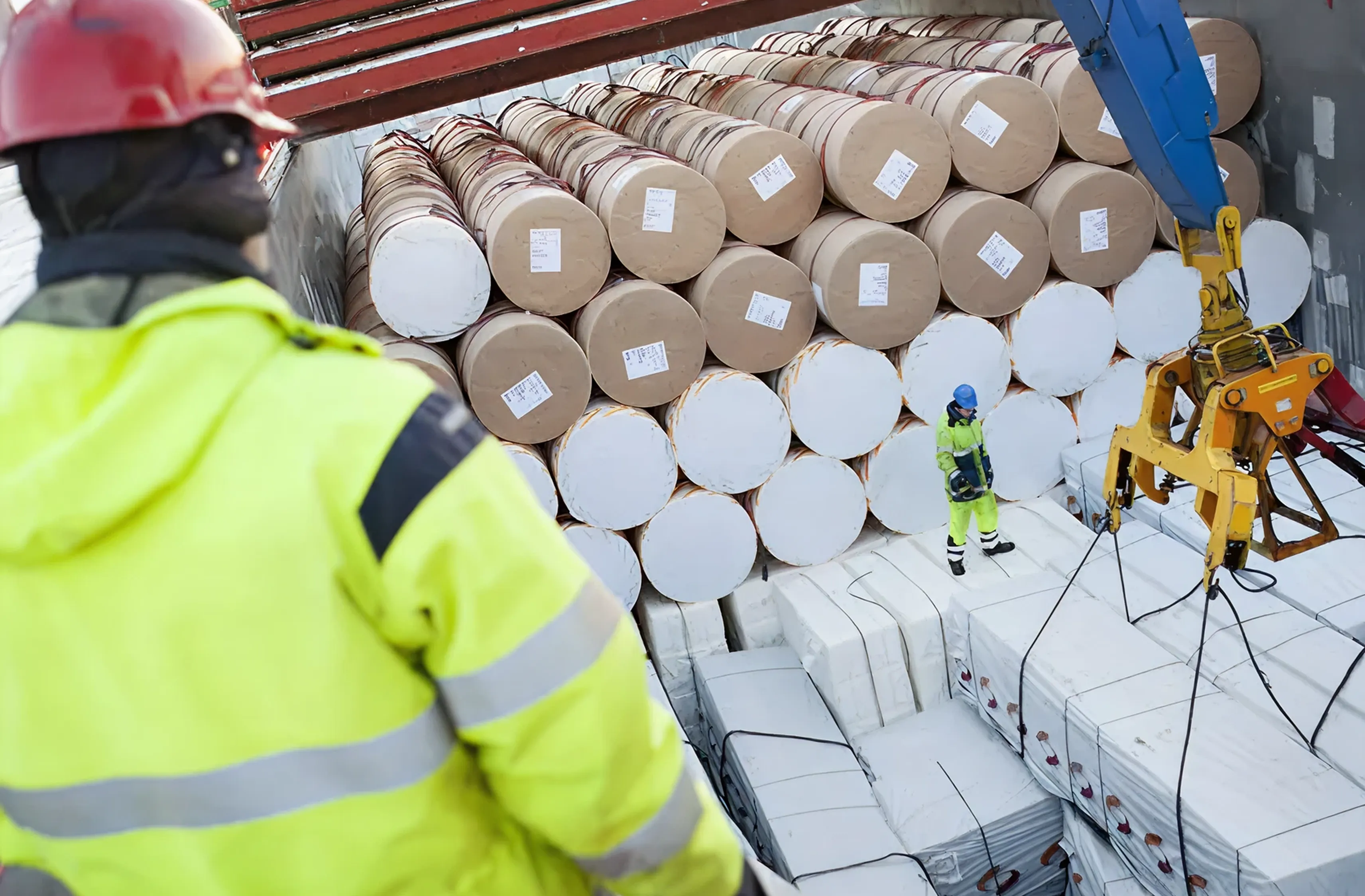
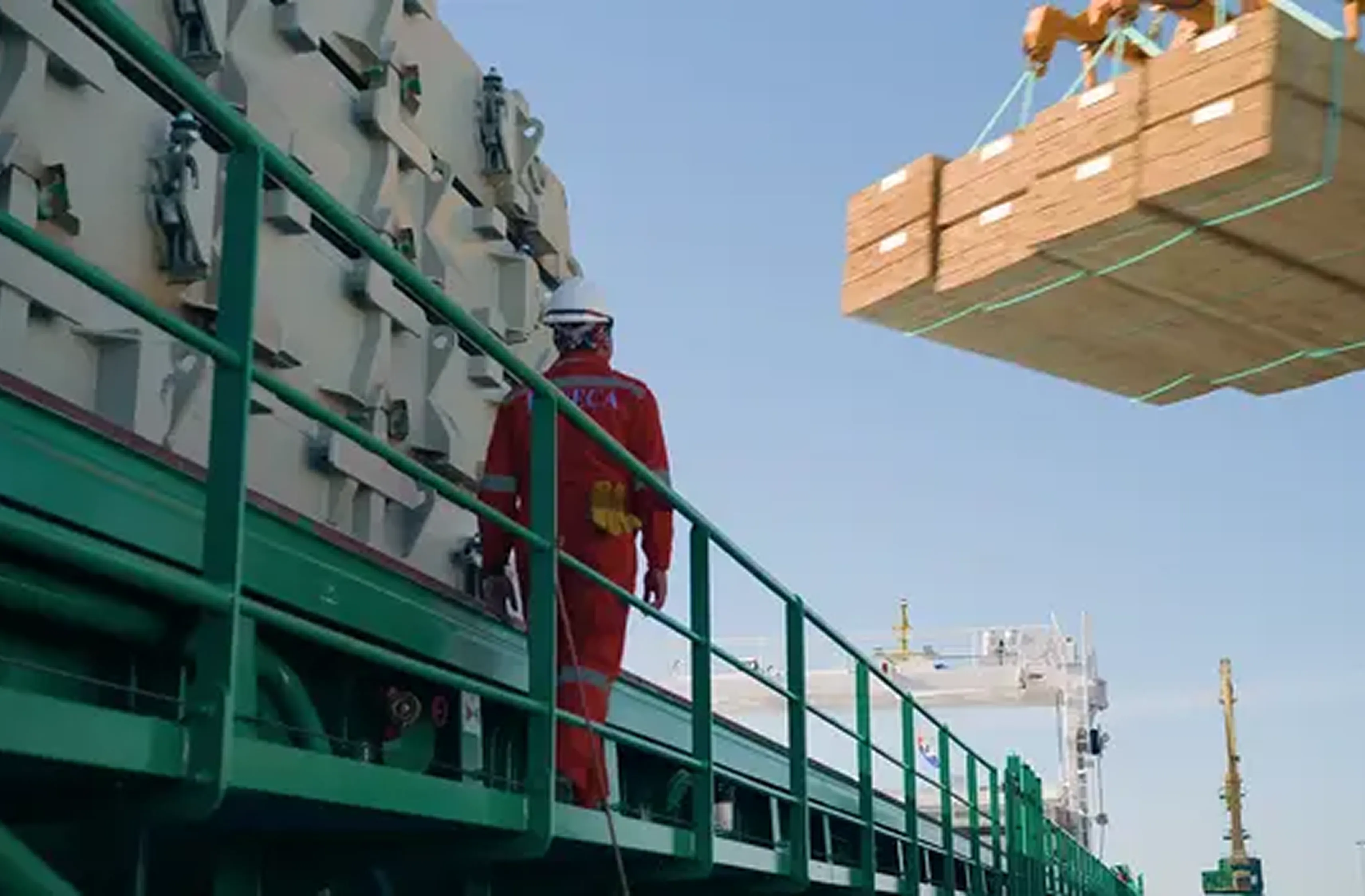
Ahlmark has been carrying sawn timber and paper across continents since 1847, and the UK arm does the part nobody thinks about: taking it off the ship, holding it, and getting it onto the right lorry on the right day.
At any moment that is tens of thousands of packs of stock sitting in a yard, each one owned by somebody, promised to somebody else, and priced by how long it stays.
The decision
Build their very ownterminal management system.
The platform Ahlmark used every day was inherited years earlier from a haulage partner. It worked. What it was not was theirs - which meant every change was a request rather than a decision, and every process that did not quite fit was absorbed by somebody with a spreadsheet.
Danny Carmichael, their Managing Director, took the view that a business of that age ought to own the thing it runs on. That is an easy sentence to write and a hard one to act on: it commits a working operation to being rebuilt underneath itself, while the ships keep arriving.
How it went
A shared build,not a handover.
The thing that made this work was not on our side of the table. Danny took it on, then put his own people into it.
He brought in Chantelle and Faye from the operations side, and it was Chantelle who gave us most of her time - weeks of it, spread across the build, spent explaining why the yard does a thing the way it does rather than the way it looks like it should be done. Almost every good decision in the system started as one of those explanations.
01
We walked the process before we designed it
On site, from manifest to yard coordination, watching the job happen rather than being told about it.
02
Prototypes before code
Click-through screens they could argue with, so the arguments happened while changing our minds was still free.
03
Migrated without stopping the yard
Every pack of stock moved across into the new system while the operation carried on running on the old one.
What we built
One platform.Inventory, shipping and collections.
One consignment, all the way through: the vessel arrives, its bills of lading are entered, the packs land in stock under their marks, and a lorry takes them away. Like the screens that follow it, this is a reconstruction rather than a recording - the interface is theirs, rebuilt faithfully, and every vessel, customer and figure in it is invented.
What changed
The part you can count.
54hours saved every month
Across the warehouse and the office. Most of a working week, given back every month to people who were doing it by hand.
61%less manual admin
The double entry is gone, and with it most of the room for the kind of error nobody notices until a lorry is already loaded.
12new report types
Including reporting that runs itself. It is also what turned the data into something they can sell against: usage-based storage tariffs, and customer reporting that did not exist before.
45,213packs migrated
Every pack of stock in the yard, moved into the new system without pausing a single day of the operation.
We always wanted a Terminal Management System that reflected how we operated our business, but trying to explain this to a software developer is more difficult than you may think. However, the guys quickly ‘got’ exactly what we needed, and presented us with a system that logically fits with how and what we do each day.
During the journey, we would each identify small changes which were quickly tested and added to the software with little need for further amendment, this made the process flow from conception to realisation run much more smoothly than we had initially expected.

Danny Carmichael
Managing Director, Ahlmark Shipping UK
What is next
Every so often,somebody has an idea.
Somebody at Ahlmark has an idea, or the business needs something it did not need last year, and the platform moves. Next in the queue is the manifest. Reading one and turning it into a shipment used to take two days by hand. It takes three hours today. If a document reader can cope with a manifest arriving in whatever state it arrives in, it should take half an hour.
More of the work



No pitch, no deck
Tell us what isactually happening.
Describe the mess in your own words. We will say what we think is going on underneath it, and whether there is anything we could usefully do about it.
 Unovo Limited
Steel City Stadium, Olympic Legacy Park
Worksop Road, Sheffield S9 3TL
Registered in England and Wales, company no. 16375453