
Case study · Medical

Revolutionising tech forsports medicine & athletes
AB3 Medical is a portable EMR system designed to give sports teams all the right tools to do their jobs daily, and athletes gain a medical record that they can take with them throughout their entire career.
- Client
- AB3 Medical
- Where
- Leeds, West Yorkshire
- Sector
- Medical
- Built with
- Next.js, React Native, Node, MongoDB
The client
Built by the doctorwho needed it.
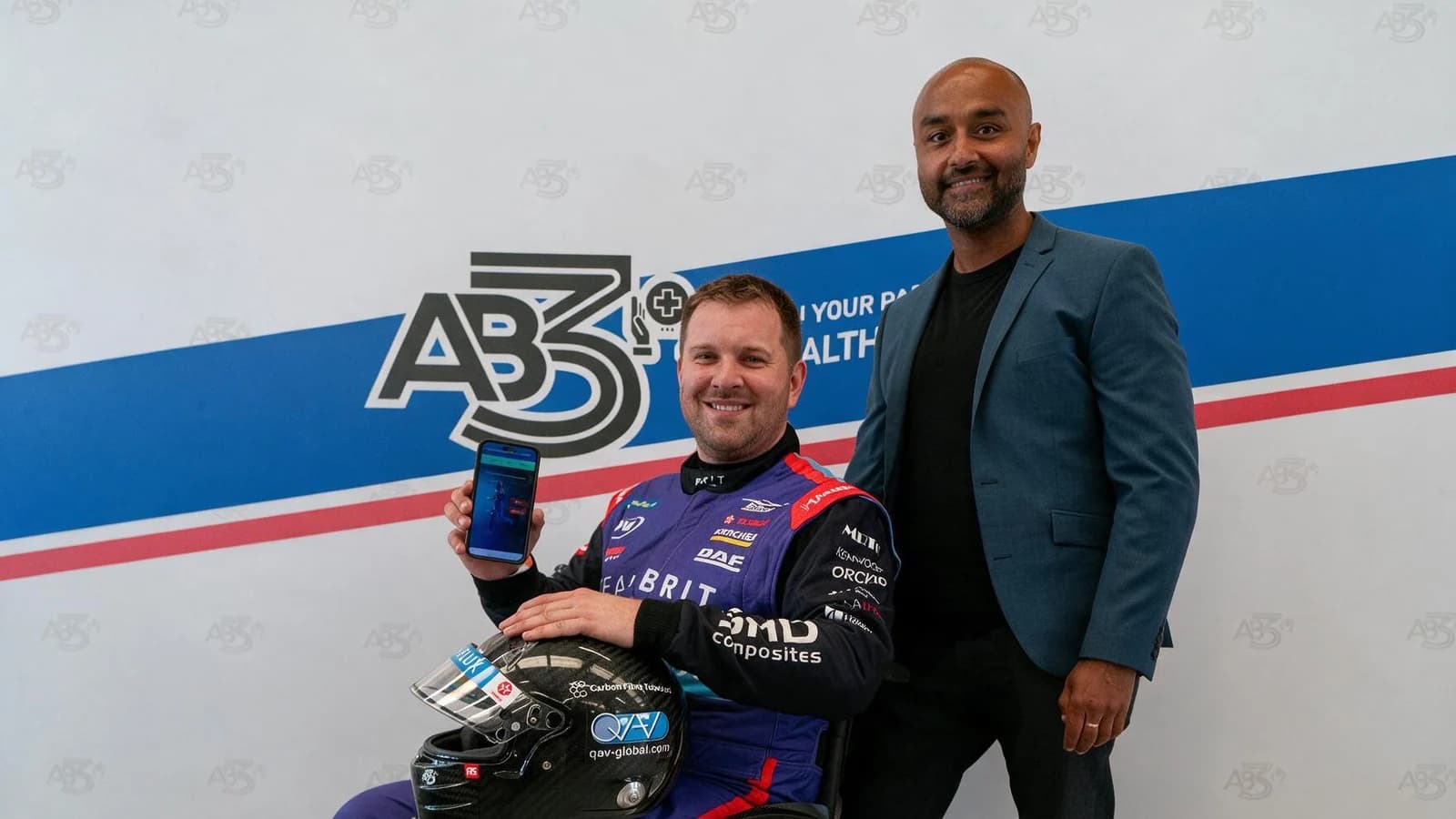
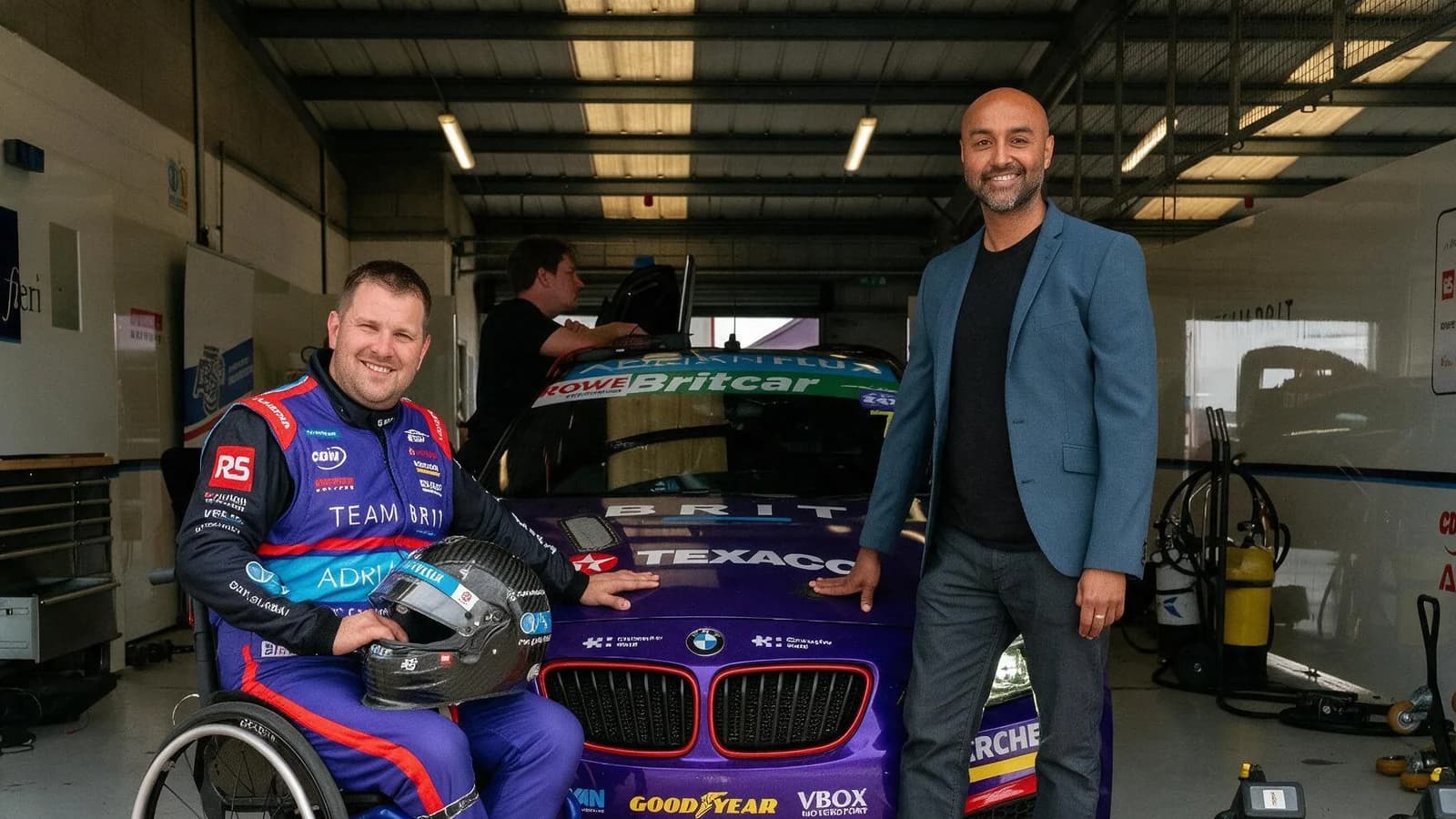
AB3 Medical belongs to Ronnie Banerjee, a practising sports physician who built the product he had wanted to exist while he was working in club medicine: one place for an athlete's record, open to the doctor, the physio, the psychologist and the strength coach, and to the athlete themselves.
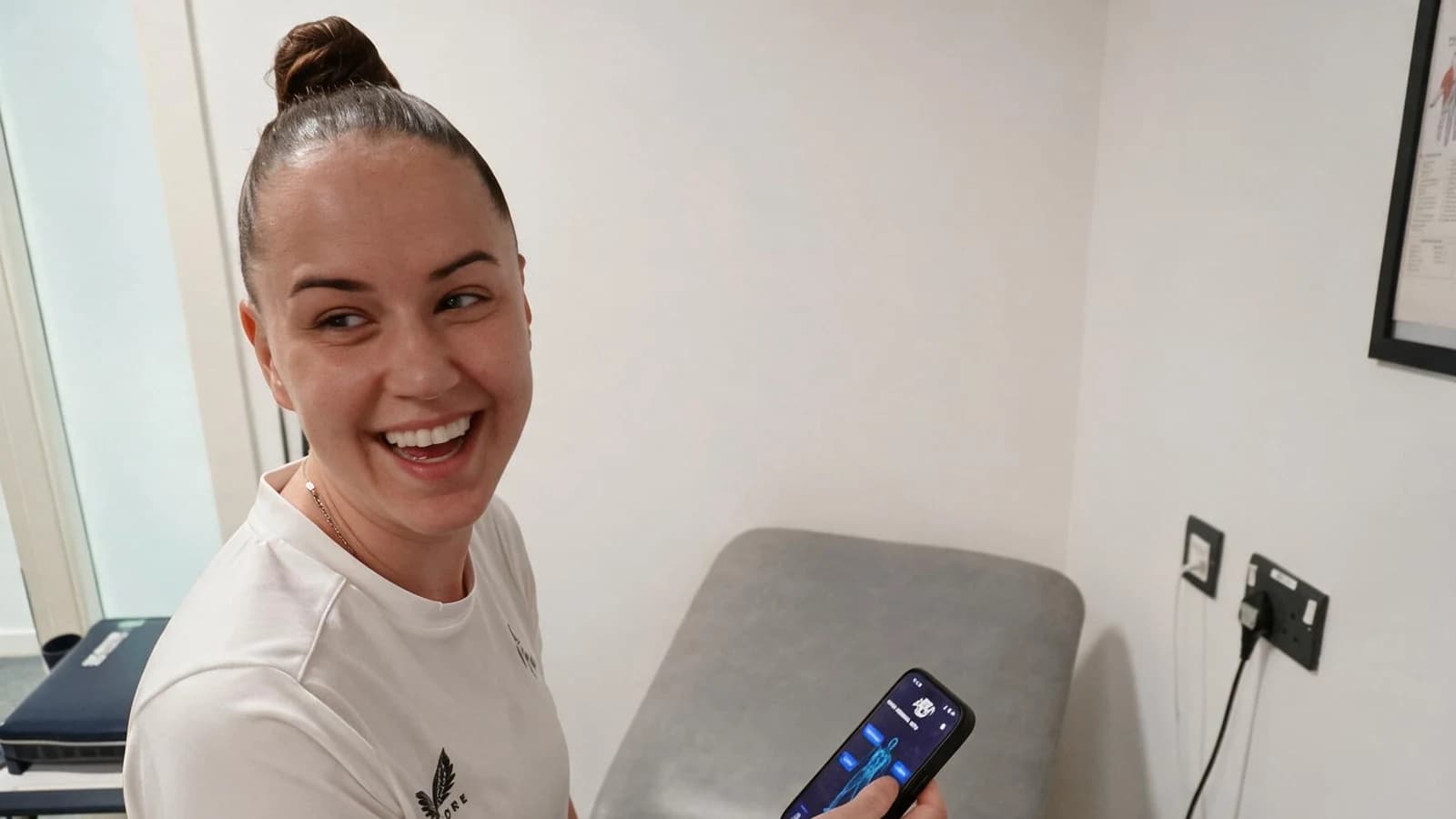
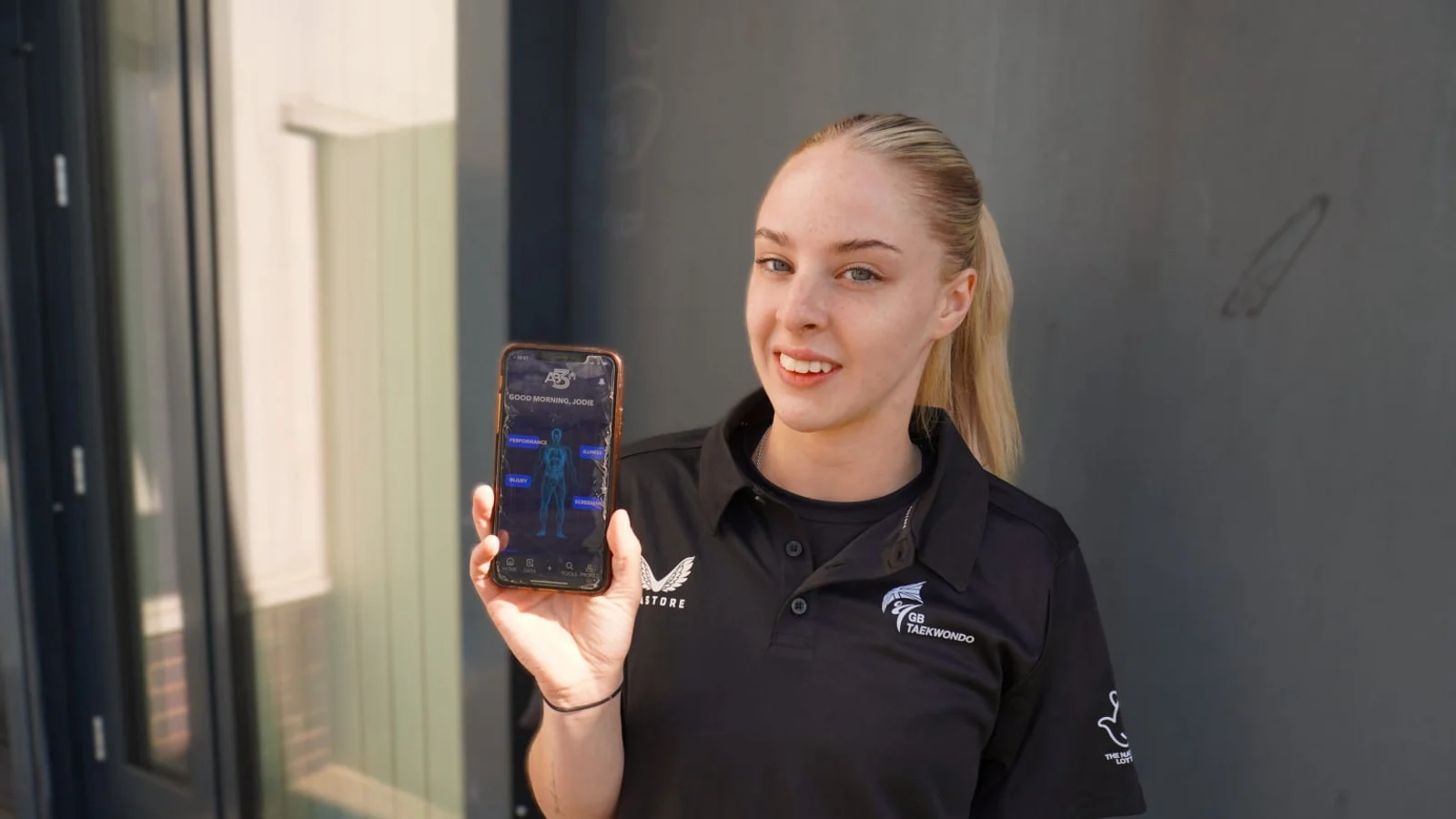
It is used by professional clubs and national governing bodies: Hull City, Leeds Rhinos, GB Taekwondo and Ice Hockey GB among them, across football, rugby league, combat sport and ice hockey.
The clinical detail is his too. The concussion assessments, the cardiac screening, the red-flag questionnaires - each is laid out the way a clinician would work through it, in the order they would work through it, by somebody who does exactly that for a living.
The decision
The record belongsto the athlete.
A system like this is bought by a club, and everything about that arrangement pulls towards the club holding the record. It is the club paying, the club's staff using it, the club's season it is organised around. An athlete who moves on in the summer arrives somewhere new with nothing to bring.
Ronnie decided that the athlete should get a copy of their own, one that travels with them from one club to the next and keeps the whole history in one piece. He calls it a medical passport. It is the same system the club is using; the difference is who else it answers to.
The second decision was to rebuild rather than patch. There was a decade of real clinical records to carry, and keeping the old thing running was the safe option. He chose instead to move all of it onto something built to the standard medical records actually ask for - encrypted, access-controlled, auditable, and defensible to the people whose records they are.
How it went
A clinician's model,translated into a product.
The hardest part of medical software is not the software. It is deciding what a record is - and then making that answer usable by somebody standing on a touchline between two patients.
Ronnie brought the clinical model: every field, every form, what a problem is and when a note belongs to it. Our part was advising on how it became a product - where the shape needed to bend to hold up as a database and keep holding up as the data grows, where a form could be three taps rather than a page, and what the same record ought to look like to a physio at the side of a pitch and to the athlete reading it on their phone. Then ten years of real patient records moved onto it without losing any of them.
01
Rebuilt on a model that fits the medicine
The person sits at the centre and the clubs come and go around them, which is how a career actually runs. Get that the right way round and an athlete keeps one continuous history instead of a set of unconnected ones.
02
A serious lift in how it feels to use
Designed around what a clinician does in a session rather than around the tables underneath it. Finding a patient, opening a problem and writing a note are the three things that happen all day, so they are the three things that got the attention.
03
The tools they had been asking for
SCAT6 concussion assessment, cardiac pre-participation screening and the red-flag questionnaires, in the app and on the pitch. Ronnie's list, not ours.
What we built
A dashboard for the club.A passport for the athlete.
A concussion, from the touchline to the sixth stage of a graded return. SCAT6 on the device, the status changed by a doctor, and the athlete told before he has to ask. Like every screen here, this is a reconstruction - the interface is theirs, and every person, club and clinical detail in it is invented.
What moved
Ten years of records, carried across.
1,425athletes
Every one of them with their history intact on the other side, which is the only migration outcome that counts in medicine.
202,496records migrated
Problems, notes, consultations, letters and images out of a decade-old database and into a model designed for what the records actually are.
135clinicians
Doctors, physios and specialists across the clubs and governing bodies using it, matched one to one with no orphans in either direction.
Still going
A live productkeeps asking.
The platform is live and in daily use, which is when the real list starts: onboarding for athletes who arrive without a club behind them, notification controls for medics who are getting too many, and the subscription structure that turns it from a product into a business.
More of the work

No pitch, no deck
Tell us what isactually happening.
Describe the mess in your own words. We will say what we think is going on underneath it, and whether there is anything we could usefully do about it.
 Unovo Limited
Steel City Stadium, Olympic Legacy Park
Worksop Road, Sheffield S9 3TL
Registered in England and Wales, company no. 16375453